
|


2026 February
Enhancing Rooftop Safety Without Roof Penetration
February 27, 2026
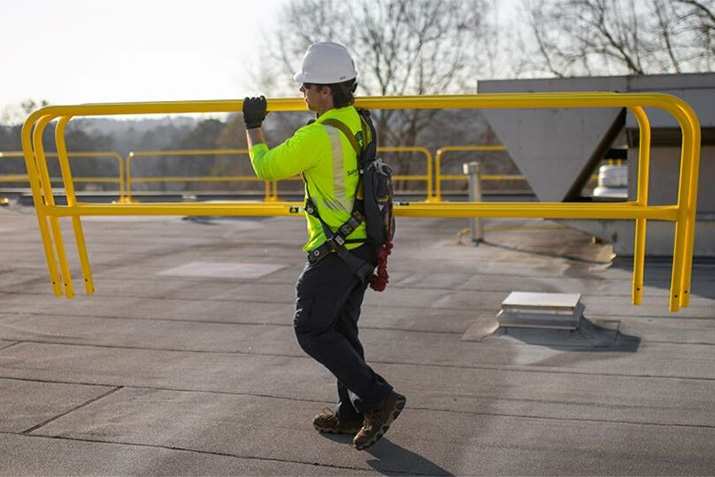
Fall protection remains a critical priority for facility managers, safety professionals, and contractors working on commercial and industrial rooftops. On flat and low-slope roofs, traditional guardrail systems often require roof penetration, creating potential risks to waterproofing and long-term roof performance. Non-penetrating roof railing systems offer a practical alternative by delivering reliable fall protection without compromising the roof surface. Safety Rail Company provides engineered non-penetrating guardrail solutions designed to meet regulatory requirements while preserving roof integrity across a wide range of applications.
PalmSHIELD Elite: A New Standard in Architectural and Mechanical Equipment Screening
February 25, 2026
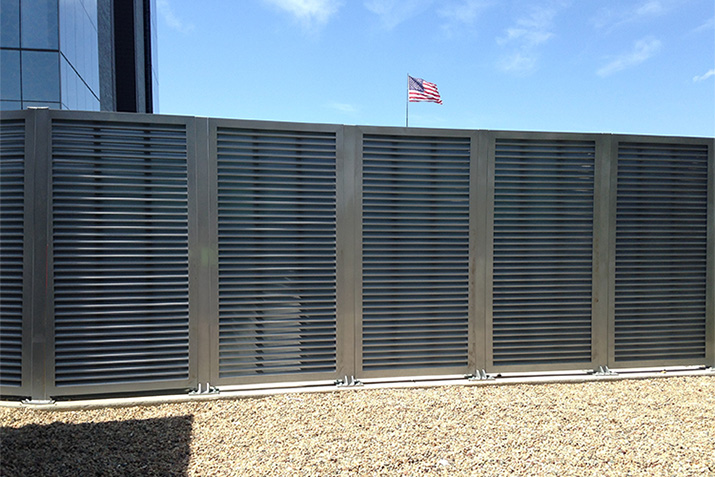
PalmSHIELD Elite introduces a next-generation architectural screening framework designed to meet the evolving demands of modern building design. Engineered for strength, adaptability, and visual consistency, the system supports a wide range of infill materials and finishes, making it suitable for both architectural and mechanical equipment screening applications. From contemporary façades to rooftop enclosures that must withstand extreme environmental conditions, PalmSHIELD Elite delivers a refined balance between performance and aesthetics. The system is engineered to resist wind speeds up to 150 mph, with enhanced configurations capable of reaching up to 180 mph, positioning it for use in high-performance and hurricane-prone regions.
BILCO Celebrates 100th year in business
February 23, 2026
Access Solutions Leader is Poised for Substantial Growth under Quanex - From its inception as a small iron shop to manufacturing the first metal basement door to worldwide expansion as the industry leader in specialty access products, BILCO’s first 100 years have demonstrated innovation and engineering excellence. As it enters its second century in business, the long-term horizon for BILCO, based in New Haven, Conn., promises more of the same along with renewed emphasis on growth, modernization and expanded market presence. Quanex, which acquired BILCO in 2024, is committed to solidifying BILCO’s role as a high-performing, innovative leader that sets the access solutions standard for quality, reliability and responsiveness.
Removable Ballistic Glazing for Temporary Executive Protection in a Historic Hotel
February 20, 2026

When a high-ranking foreign official required discreet, rifle-rated protection during a short stay in a historic Washington, D.C. hotel, the security solution needed to meet strict requirements. The suite could not be permanently altered in any way, yet the identified threat level demanded enhanced ballistic protection across multiple window openings. This challenge called for a temporary, non-invasive system that could be installed and removed quickly, without compromising the building’s historic finishes or daily operations.
Rethinking the Building Envelope in a Changing Environment
February 18, 2026
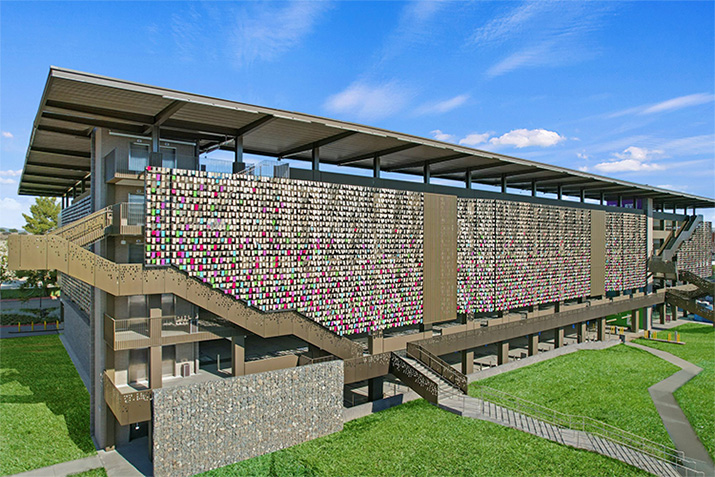
As architectural performance standards continue to rise, building facades are evolving beyond static enclosures. Today’s projects increasingly demand envelopes that can adapt to environmental conditions, support occupant comfort, and contribute to long-term operational efficiency. One of the most progressive responses to these demands is the kinetic facade. Kinetic facade systems are designed to move or adjust in response to external stimuli such as daylight, airflow, or occupancy patterns. By introducing motion as a functional design element, these systems represent a convergence of architecture, engineering, and material innovation.
REFLECTOR™ Enhancer Flooring Systems for Architects
February 16, 2026
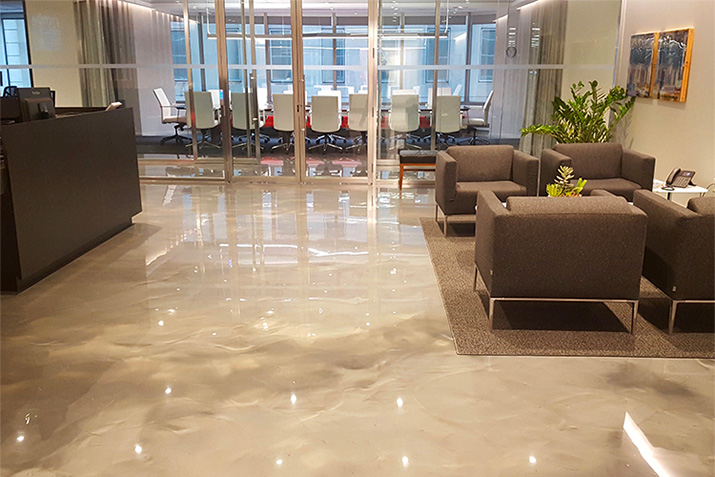
Elevate your architectural designs with the innovative REFLECTOR™ Enhancer Flooring System by Elite Crete Systems. Crafted exclusively for the discerning needs of commercial, industrial, and residential spaces, this specialty, high-build, self-leveling, and fluid-applied floor coating opens the door to a world of possibilities. When your project demands a flooring solution that seamlessly blends durability, longevity, aesthetics, ease of maintenance, and complete customization, the REFLECTOR™ system stands ready to meet and exceed your expectations. To ensure optimal results and capture the distinct essence of these flooring systems, we recommend engaging with our technical experts before installation or specification.
Draper Elevate: Advancing Cordless Manual Roller Shade Performance
February 13, 2026
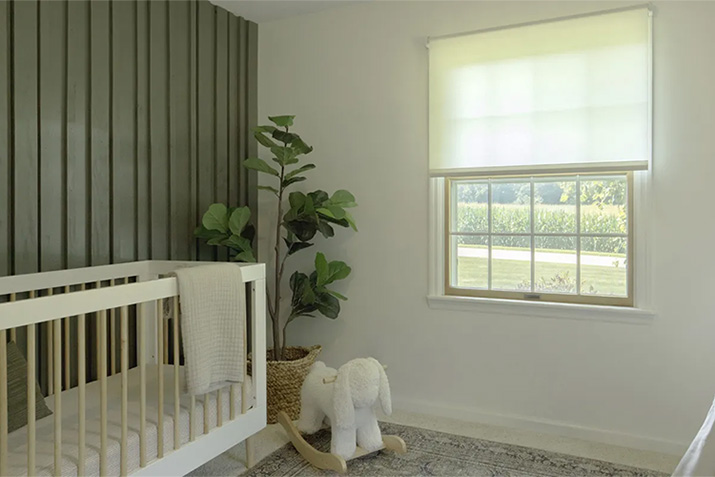
Draper, Inc. has introduced Elevate, a next-generation cordless manual roller shade designed to meet growing demand for safer, smoother, and more refined manual shading systems in residential interiors. As interest in child-safe and visually clean window treatments continues to rise, Elevate offers a modern alternative to traditional manual shade technologies.
Elevating Interior Spaces with Vaulted Ceiling Design
February 11, 2026
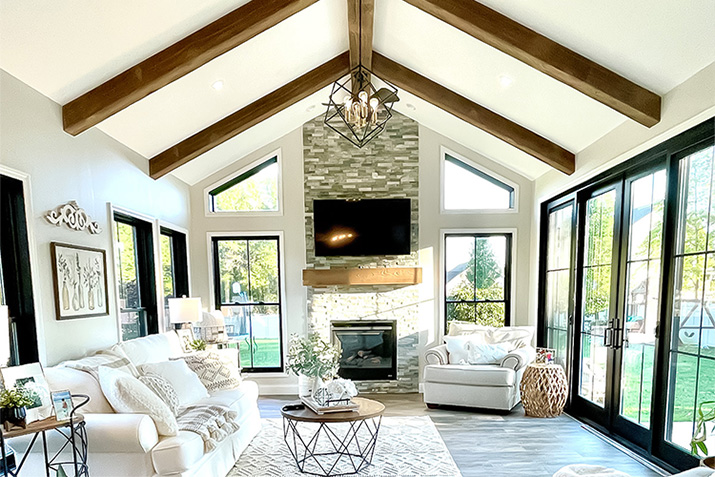
A vaulted ceiling is defined by its sloped, angled, or arched form, often following—though not strictly mirroring—the roofline. Unlike flat ceilings, vaulted designs create an immediate sense of height, openness, and architectural presence. As a result, they are frequently used in both residential and commercial interiors to enhance spatial experience and visual impact. When designed thoughtfully, vaulted ceilings become more than a structural feature—they serve as a central design element. The following design strategies highlight how faux wood beams, lighting, wall treatments, and finishes can be combined to maximize the aesthetic and functional potential of vaulted ceilings.
Tourlock 180 by Boon Edam: High-Security Revolving Door for High-Traffic Entrances
February 9, 2026
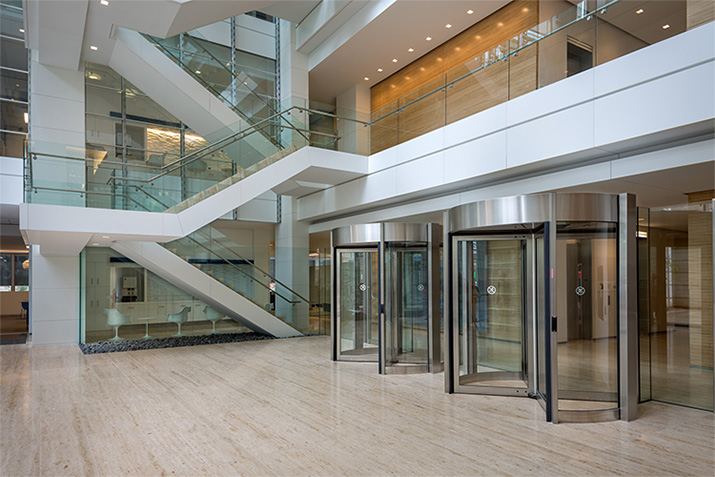
Controlling pedestrian access without compromising throughput has become a critical requirement for corporate headquarters, data centers, government buildings, and other high-risk facilities. Security revolving doors are increasingly specified for these environments due to their ability to combine access control with continuous traffic flow. The Tourlock 180 security revolving door from Boon Edam Inc. is designed to address this exact challenge, offering a robust entrance solution that supports high volumes of users while actively preventing unauthorized entry.
Understanding Low-Spall Bulletproof Glass
February 6, 2026
Bullet-resistant glass is often expected to provide complete protection once a projectile is stopped. However, real-world ballistic events demonstrate that stopping penetration alone does not guarantee occupant safety. In many cases, the interior surface of conventional ballistic glass fractures on impact, releasing sharp fragments into the protected space. Low-spall bulletproof glass addresses this critical safety gap by controlling how the glass behaves after impact, significantly reducing the release of hazardous debris.
Flexible Modular Construction for Larger, Customized Buildings
February 4, 2026
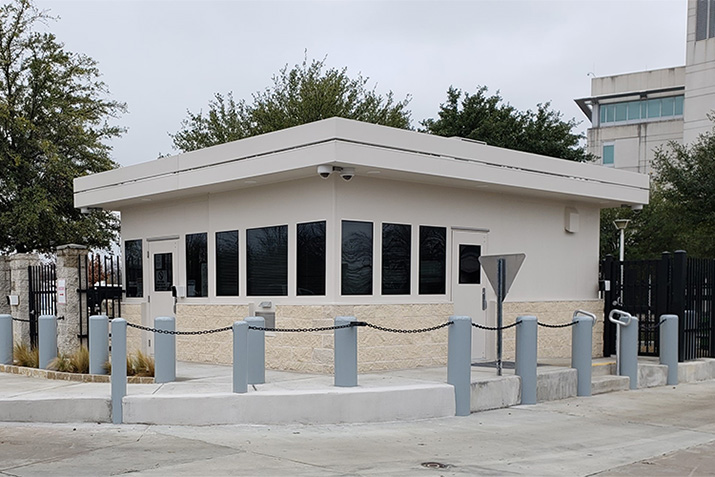
Par-Kut International, Inc. specializes in the design and manufacture of prefabricated buildings and enclosures for security, access control, and industrial environments. While many Par-Kut structures are delivered as single, fully assembled units, larger or more customized projects often benefit from a multi-section modular approach. As facility requirements continue to grow in size and complexity, modular construction has become an increasingly practical solution for applications such as security buildings, gate houses, and in-plant offices. By dividing a structure into multiple sections, larger footprints and more intricate layouts can be achieved while maintaining the efficiency of off-site fabrication.